Focused arrival windows
Useful updates and clear arrival timing.
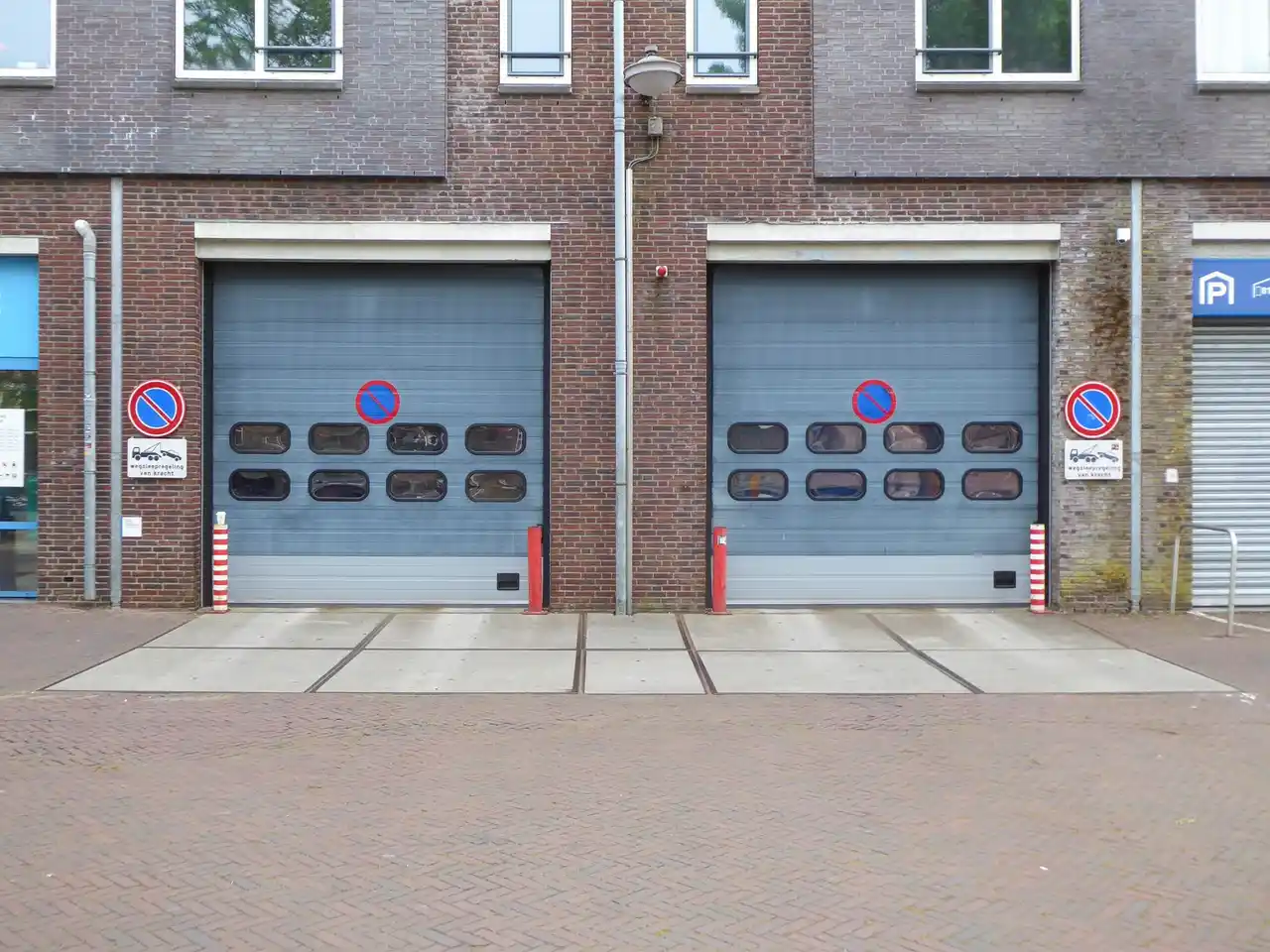
Garage Door Cable Repair Greenfield IN means getting a snapped or frayed cable off your door before it drops crooked and chews up the track. We handle steel cables, drums, and bottom brackets for homeowners across Greenfield and Hancock County, and we carry the right cable gauge on the truck. Same-day garage door cable replacement in Greenfield Indiana is usually one call away.
Useful updates and clear arrival timing.
Review the approach and price before deciding.
Equipped vehicles and respectful cleanup.
Neighbors serving neighbors with follow-through.
Every cable job starts with a full inspection and ends with a balanced, tested door. Here is what is covered in a standard replacement, and what we quote separately if your door needs it.
We replace the left and right cables with galvanized 7x19 or 7x7 cable matched to your door weight. Both sides get done, because a new cable paired with a worn one will fail early. This is the core of the job.
New cable has to sit in the drum groove evenly or it will jump. We reset both drums, wrap the cable at the correct tension, and lock the set screws so nothing slips under load.
The bottom bracket is where cables fray first. We check both brackets for bends, wallowed holes, and rust, and replace them if they will chew up the new cable. It is a small part that decides how long the repair lasts.
Cables and springs share the door's weight, so new cables mean the springs need adjustment. We rebalance the torsion system so the door lifts with even effort and stays put at half height.
A door that ran crooked can bend track and wear rollers. We inspect the full travel path, lubricate the moving parts, and flag anything that needs replacing before it damages the new cables.
Before we leave, we test the auto-reverse against UL 325 and confirm the door stops and reverses on contact. A door that closes on a child or pet is not a finished job, no matter how good the cables look.
Share what is happening and receive a clear next step from the local team.
Garage Door Cable Repair Greenfield IN is the job of replacing the two steel cables that run from the bottom brackets up to the drums on your torsion shaft. Those cables carry the full weight of the door alongside the springs, and they work in pairs. When one frays or snaps, the door hangs crooked, the opener strains, and the panels can bind against the track. We swap both cables at once, reset the drums, and rebalance the door so it lifts smooth again.
Most cable failures we see around Greenfield start small: a few broken strands near the bottom bracket, a cable jumped off the drum, or rust from a damp garage floor. Left alone, a frayed cable can whip loose and take out a window or a car hood. If you are searching for a broken garage door cable fix near me Greenfield IN, that is usually the moment the door stopped opening level. We get out same day and get it running.
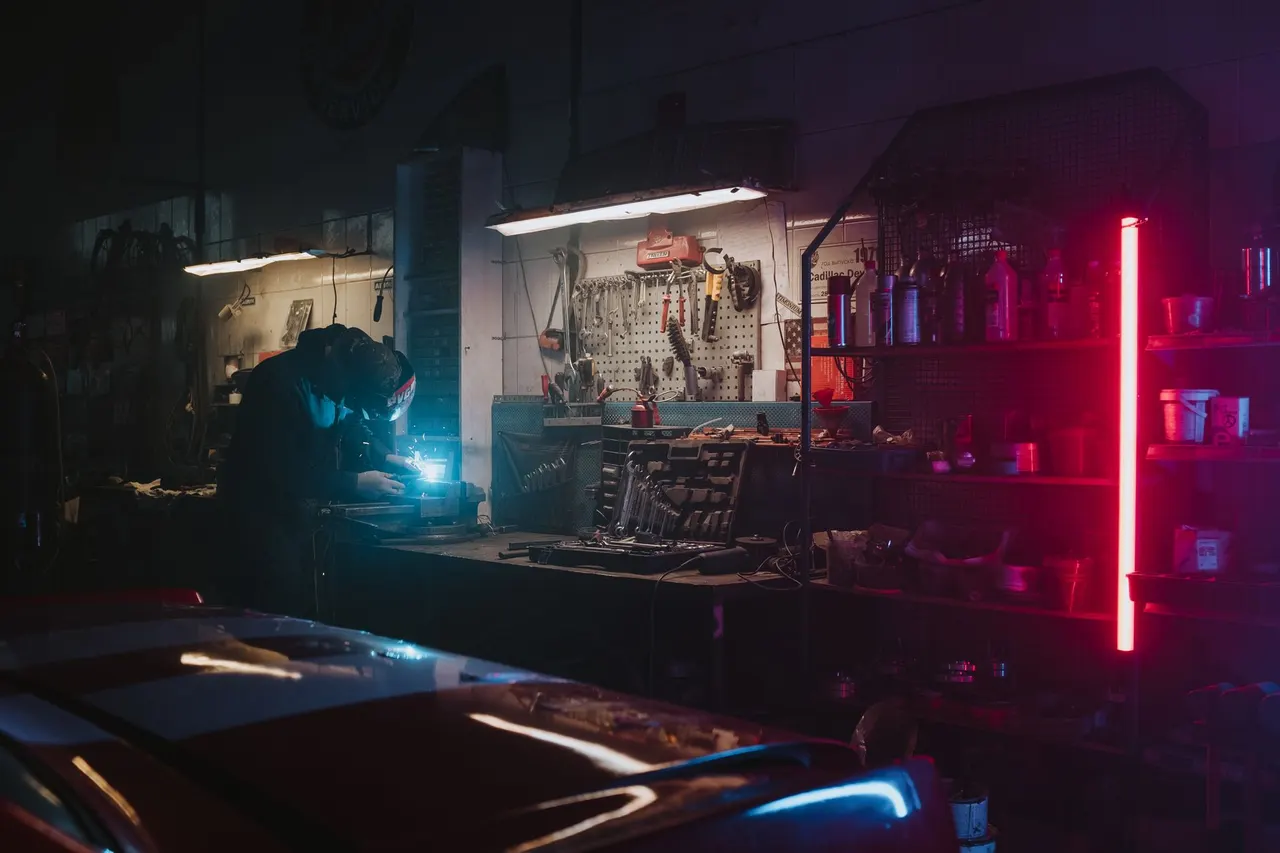
You describe what the door is doing: hanging crooked, popping, or not moving at all. We ask a few questions about the noise and the age of the door, then book a window. Most Greenfield calls get a same-day or next-morning slot, and you get a straight answer on the phone.
First thing on arrival, we disconnect the opener and clamp the torsion shaft with C-clamps so the door cannot move while we work. We inspect both cables, the drums, the bottom brackets, and the springs. That ten-minute check tells us whether this is a cable-only job or something bigger.
We release spring tension with winding bars, pull the old cables off the drums, and thread new galvanized cable through the brackets and drum. Both sides get done, not just the broken one. A standard two-cable replacement runs about 60 to 90 minutes on most residential doors.
New cables mean the door needs to be rebalanced. We adjust spring tension, set the drum wraps evenly, and lubricate the rollers, hinges, and torsion shaft with a spray lubricant. A door that was grinding before now runs quiet and stays level through the full travel.
We cycle the door three or four times, check the safety reverse, and watch the cable wraps under load. Then we walk you through what failed, what we replaced, and how to spot early fraying. You get the old cables so you can see exactly what went wrong.
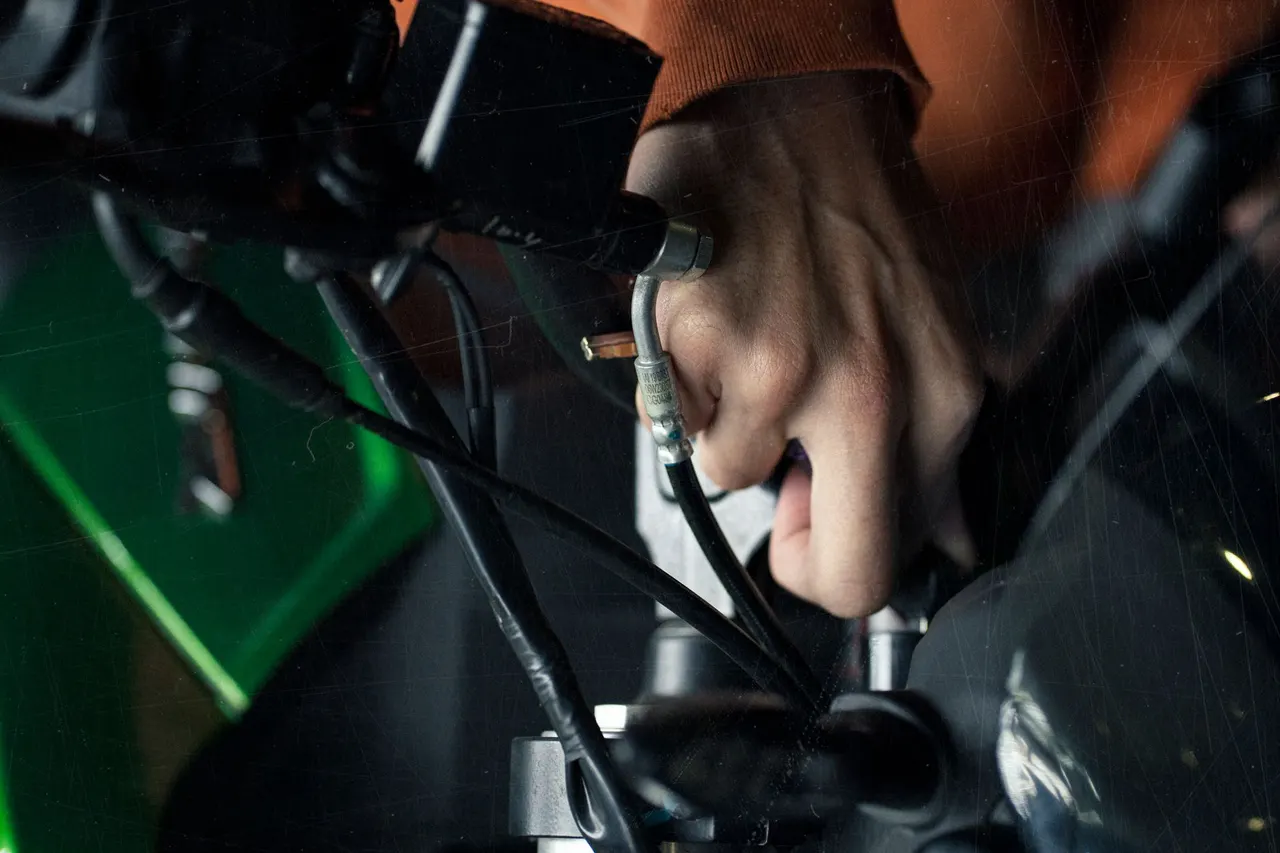
Solid steel bars used to release and reset torsion spring tension safely. Cable work starts and ends with the springs, and winding bars are the only safe way to handle that stored energy.
Clamped to the torsion shaft or track to lock the door in place while we work. They keep the door from dropping when the cable comes off the drum.
Used to hold the torsion shaft and cable ends during a swap. They give us a third hand on a job where a slip can mean a dropped door.
For bottom bracket bolts, drum set screws, and hinge hardware. Correct torque on these bolts is what keeps a new cable from slipping under load.
A dry lubricant applied to rollers, hinges, and the torsion shaft after the cables are set. It cuts the grinding noise and slows wear on the moving parts.
Used to check cable length, drum position, and door balance. A door that is level at the bottom is a door whose cables are wrapped correctly.
We replace both cables on every job, even when only one failed. Cables wear at the same rate, and a new cable paired with a stretched one will jump the drum within months. It is the single biggest reason our cable repairs last.
After every cable job, we test the auto-reverse and photo-eye sensors against UL 325. The door must stop and reverse on contact. If it does not, the job is not finished, no matter how well the cables are set.
We wrap the new cable in the drum groove at even tension on both sides, then set the springs so the door balances at half height. A door that stays put when you let go is a door that is set right.
We check track alignment, roller condition, and panel spacing against ANSI/DASMA 102. A crooked door puts uneven load on new cables, so alignment is part of the repair, not an afterthought.
Stop running the opener and call us. We come out, clamp the torsion shaft, replace both cables, and reset the drums. Most of these calls are done in one visit, usually within 90 minutes of arrival. Your door runs level again the same day, and you avoid the bent track and burned-out opener that follow a week of running it crooked.
This is the best time to call. We replace the cables before they snap, check the bottom brackets for the burr causing the fray, and rebalance the springs. It is a planned job instead of an emergency. You spend the standard cable replacement price instead of paying for a snapped cable, a bent track, and possibly a new panel.
We swap in galvanized cables, inspect the bottom seal and weather stripping, and recommend a seal replacement if water is getting in. Rust is a moisture problem as much as a cable problem. New cables that resist rust, a drier floor, and a door that will not snap under load next winter.
Call us for emergency service. We secure the door, replace the cable, and get it opening so you can get to work. We keep cable and drums on the truck for exactly this call. You are back on the road the same day instead of waiting days for a parts order.
Greenfield garages take a beating from Indiana weather. Summer humidity, winter road salt, and the spring freeze-thaw cycle all work on the steel cables and bottom brackets. Most of the homes we service in Old Town and Downtown Greenfield have older wood and steel doors with original drums and brackets, and those parts are usually where the fray starts. Newer builds out in Greenfield Heights and Riverside tend to have heavier insulated doors, which put more load on the cables and springs. We match cable gauge to the door weight, so a heavy door gets the cable it needs. If you are in ZIP 46140 and searching for garage door cable repair Hancock County Indiana, we are minutes away, not an hour. We also cover 46140 and the surrounding Hancock County addresses, and we know which neighborhoods have the damp-floor problem that rusts cables from the inside.
Many original wood and steel doors with older drums and bottom brackets. Frayed cables here usually trace to a worn bracket burr rather than rust.
Newer, heavier insulated doors that put more load on cables and springs. We match cable gauge to door weight so the repair holds.
Damp garage floors after spring rains rust the bottom brackets and cables. Galvanized cable and a new bottom seal solve most of these calls.
Tight alleys and detached garages mean we often work with the door partly open. We clamp the shaft and secure the door before any cable comes off.
Salt spray corrodes the bottom brackets and the lower few inches of cable. We see more snapped cables in January and February than any other month, and galvanized cable plus a bottom seal is the fix.
Moisture sits on the garage slab and rusts the cable from the inside out. A cable that looks fine in April can be half-strength by June. We check for rust at the bracket on every cable call.
Heat softens lubricant and lets rollers and hinges dry out, which adds drag and shock load to the cables. A tune-up with fresh lubricant in late spring heads off most of it.
Original drums and bottom brackets on Greenfield's older homes are often grooved or bent. We replace them during the cable job so the new cable is not chewed up by worn parts.
A homeowner in Old Town Greenfield called after the door came down crooked and would not close. One cable had snapped at the bottom bracket, the door was hanging on one side, and the opener was straining against the bind.
We clamped the shaft, replaced both cables, reset the drums, and rebalanced the springs. The door now runs level through the full travel, and the opener no longer strains. Total time on site was about 90 minutes.
Maintenance: We suggested a yearly tune-up and a spray of dry lubricant on the rollers and hinges each fall. Keeping the bottom brackets clean and dry is what prevents the next fray.
A Riverside homeowner had rusty cables and a garage floor that stayed wet after spring rains. The cables were pitted near the bottom brackets, and one had already lost several strands.
We installed galvanized cables, replaced the worn bottom seal, and checked the weather stripping. Six months later the cables show no rust, and the floor stays dry enough that the brackets are clean.
Maintenance: We told them to sweep out standing water after storms and check the bottom seal each spring. A dry floor is the cheapest cable insurance there is.
A Greenfield Heights homeowner heard a bang and found the door hanging at an angle with the cable wrapped wrong around the drum. The opener would run but the door would not move evenly.
We released the spring tension, replaced both cables, and swapped a grooved drum that was causing the jump. The door now lifts smoothly, and the opener runs without the jerking it had before.
Maintenance: We recommended a full tune-up to check the other drum and the rollers. Catching a grooved drum early is what keeps a cable from jumping again.
Cable failures rarely announce themselves until the door is already crooked. These are the four calls we run most often around Greenfield, and what happens if you let them ride.
Broken strands cut the cable's strength by half. The door can drop on one side without warning, and a whipping cable can break a window or dent a car. We replace both cables with galvanized stock, inspect the bottom brackets for the burr that caused the fray, and rebalance the door. Most jobs finish in 60 to 90 minutes, and you get the old cable to see the damage.
The door hangs at an angle, the opener strains, and the panels bind against the track. Running it this way bends track and burns out the opener motor. We release spring tension, reseat the cable in the drum groove, and check the drum for wear. If the drum is grooved or cracked, we replace it on the spot so the cable cannot jump again.
Indiana's spring thaw and winter road salt leave moisture on the floor and the bottom brackets. Rust eats the cable from the inside, and it snaps under load. We replace the cables with galvanized ones, check the bottom seal and weather stripping, and recommend a seal replacement if water is pooling. Dry hardware is cable hardware that lasts.
A door with one working cable twists as it travels. The rollers pop out of the track, and the door can fall completely, which is a serious injury risk. We secure the door first, then replace the cable, reset the rollers in the track, and straighten any bent sections. We test the full cycle before we call it done.

Our technicians work on cables, springs, and drums every week, not once a month. We are trained on torsion and extension systems from LiftMaster, Chamberlain, Genie, Craftsman, Clopay, Amarr, and Wayne Dalton, and we follow UL 325 safety standards on every job. We stock the cable gauges, drums, and bottom brackets that fit the doors in Greenfield's older and newer neighborhoods, so we are not making a second trip for parts. Cable work is unforgiving: get the drum wrap wrong and the door drops. We get it right.
Our door came down crooked on a Sunday and I could see the cable was shredded near the bottom bracket. They came out Monday morning, replaced both cables, and reset the drums. Took about an hour and a half. The door runs quieter than it has in years, and they showed me the old cable so I could see the broken strands.
I called about a grinding noise and figured it was the opener. Turned out the cable had jumped the drum and was rubbing the track. They fixed the cable, straightened the track, and replaced two rollers. Fair price, no upsell on a new opener I did not need. That kind of honesty keeps me calling them.
Our garage floor gets damp in the spring and the cables had rusted through. They explained why it happened, replaced both cables with galvanized ones, and suggested a new bottom seal to keep water out. Six months later, no rust and no fraying. They knew exactly what our door needed.
Most residential cable replacements in Greenfield run $180 to $350 for both cables, including labor and hardware. Single-cable jobs on a simple door can land near $150, while a door that also needs drums, bottom brackets, or a spring runs $400 to $650. We quote the job before we start, so the number you hear is the number you pay.
Fraying almost always traces to three things: a cable rubbing a worn bottom bracket, rust from a damp garage floor, or a drum that has picked up grit. Once strands break, the cable loses strength fast. If you see fuzzy wire near the bottom corner of the door, stop running the opener and call us before it snaps.
Yes, in most cases. We stock cable, drums, and brackets on the truck, so a standard two-cable replacement gets done in one visit, usually within 60 to 90 minutes of arrival. Call before noon and we can often be out the same afternoon. If we need a specialty part for your door, we tell you on the phone.
It is. A snapped cable can whip loose with enough force to break a window or dent a car, and the door itself can drop or twist off the track. Never run the opener on a door with a broken cable, and do not try to lift it by hand. Call us, and we will get it secured and repaired.
Not seeing your question? Our local team can help you understand urgency, scheduling and what to expect.
Ask the local team
Cable failures often come with bent track or dragging rollers. Our general repair service covers the whole door, so we fix the cable and whatever it took out with it in the same visit.
View service
If your door is past saving, we install new Clopay, Amarr, and Wayne Dalton doors across Greenfield. New doors come with fresh cables, drums, and brackets, so you start clean.
View service
A door running on a bad cable strains the opener motor and can burn it out. We repair LiftMaster, Chamberlain, Genie, and Craftsman openers and check the drive system while we are there.
View service
After a cable repair, a tired opener may still struggle with the door weight. We install new belt and chain drive openers sized to your door, with safety sensors set to UL 325.
View service
Call, text or send us a note and we will get back to you the same business day. Our phones are answered from 8 a.m. to 6 p.m. Monday through Friday, and emergency calls are picked up around the clock. Tell us what the door is doing and we will give you a straight answer and a price.