Focused arrival windows
Useful updates and clear arrival timing.
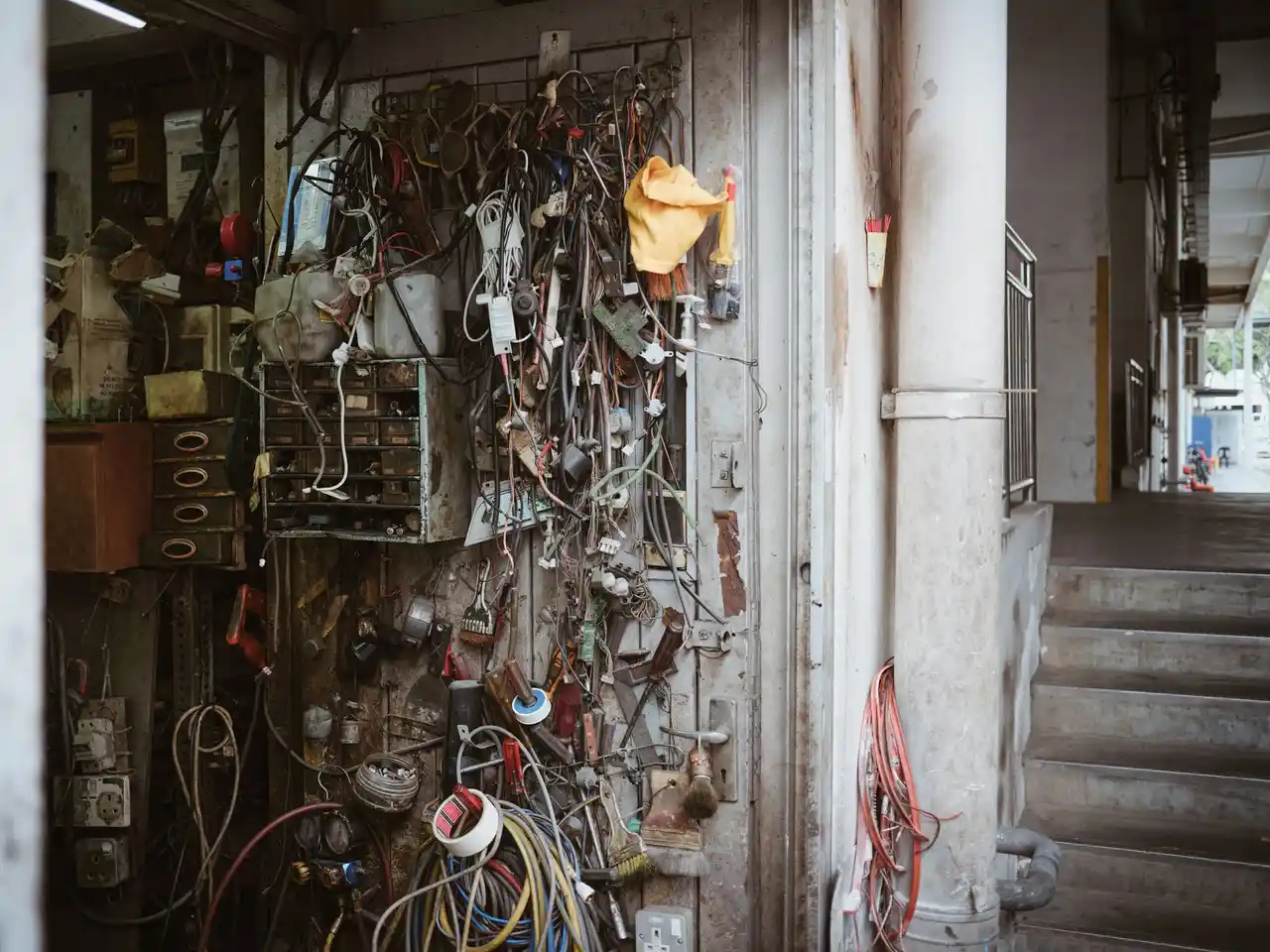
When your opener grinds, hums, or quits mid-cycle, Garage Door Motor Replacement Greenfield IN gets your door moving again the same day. We diagnose the dead motor, match a LiftMaster, Chamberlain, or Genie unit to your door's weight and spring system, and test every safety reverse before we leave. Serving Greenfield, IN and Hancock County with licensed, insured techs.
Useful updates and clear arrival timing.
Review the approach and price before deciding.
Equipped vehicles and respectful cleanup.
Neighbors serving neighbors with follow-through.
Every motor replacement covers the unit, the labor, and the safety testing. We also inspect the parts that commonly cause motor failure, so you know the full picture before we start. Anything beyond the motor is quoted upfront, never added after the fact.
A LiftMaster, Chamberlain, Genie, or Marantec motor sized to your door's weight and height, with the drive type you choose. Includes the rail, trolley, and mounting hardware needed for a clean install.
We disconnect power, remove the old motor and rail, and haul the unit away. You are not left with a dead opener sitting in the corner of your garage.
We set the down-force limit and test the safety reverse on a 2x4 block, then verify the photo-eye sensors trip correctly, all to UL 325 Safety Standard requirements.
We program every remote and HomeLink button you have, plus your wireless keypad if you use one. You leave with a door that opens from the car, the wall, and the driveway.
Before installing the motor, we check torsion springs, steel cables, rollers, and hinges for wear. If something needs replacing, we quote it first so the new motor is not damaged on day one.
Share what is happening and receive a clear next step from the local team.
Garage Door Motor Replacement Greenfield IN is the removal and installation of the electric motor unit that drives your opener, whether that is a chain-drive, belt-drive, or screw-drive system. The motor is the part that actually lifts the door; when it burns out, strips its gears, or loses torque, no amount of remote programming or sensor alignment will fix it. We pull the old unit, inspect the rail, trolley, and logic board, then mount and wire a new motor matched to your door's weight.
Most Greenfield motors die for predictable reasons. A worn torsion spring forces the opener to lift more than it should, and the motor overheats within weeks. Others fail after a power surge on a stormy Indiana night, or simply wear out after 10 to 15 years of daily cycles. If your door only moves when you help it, or the motor clicks without turning, call us for garage door motor repair near me Greenfield IN service and we will confirm the diagnosis on site.
You describe the symptom, we ask a few targeted questions about noise, door weight, and age. Most motor failures are confirmed in a five-minute call, and we book a same-day or next-morning slot.
Our tech checks the torsion springs, steel cables, nylon rollers, and track alignment before touching the motor. If a broken torsion spring caused the failure, we tell you upfront so the new motor is not damaged on day one.
We match horsepower and drive type to your door's weight and height, then walk you through LiftMaster, Chamberlain, Genie, and Marantec options at different price points. You pick, we install.
We disconnect power, remove the old unit, inspect the rail and drum, then mount and wire the new motor. A socket wrench set, winding bars, and C-clamps keep the door locked safely during the swap.
We cycle the door a minimum of three full open-close runs, test the safety reverse, program your remotes and keypad, then show you how to run a monthly balance check. Typical total time is two to four hours.
Used to safely release and re-tension torsion springs when the motor replacement requires spring work. Never attempt this without the correct bars.
For removing motor mounting bolts, rail brackets, and header hardware. A full set lets us work on any brand without rounding bolts.
We clamp the door to the track before any motor or spring work, so the door cannot drop while we are under it.
For driving lag bolts into the header and mounting the new motor's bracket quickly and securely.
We lubricate the rail, rollers, and hinges after installation to cut noise and reduce drag on the new motor.
Used to center the new motor on the door and confirm the rail is level, which prevents uneven wear on the trolley and chain.
Every motor we install is tested against the UL 325 Safety Standard, including the safety reverse and photo-eye sensor function. We verify the door reverses on contact with a 2x4 block before we consider the job complete.
We follow ANSI/DASMA 102 for mounting, wiring, and force-limit settings. That means the motor is matched to the door, the hardware is rated for the load, and the installation meets the standard insurers look for.
Before installing a new motor, we disconnect the opener and manually lift the door halfway. A properly balanced door stays put. If it drops or rises, the springs need adjustment first, or the new motor will fail early.
We set the down-force and up-force limits to the minimum needed to move your door. That protects fingers and pets, and it keeps the motor from working harder than necessary on every cycle.
We inspect the motor, springs, and rollers, then recommend replacement if the unit is past its service life. A new belt-drive motor with battery backup handles Indiana winters without the hesitation. A door that opens reliably at 6 a.m. in January, with a quieter motor and a warranty covering the unit and our labor.
We confirm the board and motor are both damaged, then install a new motor with surge protection built in. We also check the outlet and recommend a whole-home surge protector if the garage circuit is exposed. Your door works again the same day, and the new unit is far less likely to fail in the next storm.
We replace the motor, lubricate the rail, and provide a written summary of the work with warranty details. The buyer gets a documented, code-correct opener and the sale moves forward. A clean inspection report, a quiet door for showings, and paperwork that satisfies the buyer's agent.
We weigh the door, check the spring balance, and install a higher-horsepower motor rated for the new load. We also verify the springs are matched to the heavier door. A door that lifts smoothly without straining, and a motor that is not running hot after every cycle.
Greenfield sits in Hancock County, and our weather swings from humid 90-degree summers to single-digit January mornings. That range is hard on garage door motors. Cold thickens lubricant on the rail and stiffens springs, so the opener pulls more amps on the first cycle of the day. Summer heat, meanwhile, cooks motors mounted in unventilated garages. Most of the housing stock here is single-family, with a mix of 1960s wood doors in Old Town Greenfield and newer insulated steel doors in Meadowbrook and Sunset Hills. Older doors often need spring work alongside a motor swap, because a worn torsion spring is what killed the original unit. We also see a lot of post-storm surge damage after spring and summer thunderstorms. If you need affordable garage door motor repair in Indiana, we quote the motor, labor, and any spring or cable work together so you can decide with real numbers. Typical 2026 pricing in this area runs $320 to $650 installed for a residential motor.
Many homes here still have original wood doors and older chain-drive openers. We often pair a motor swap with spring replacement because the original springs are past their cycle rating.
Newer insulated steel doors are common. These are heavier, so we check the opener's horsepower rating before recommending a replacement motor.
Attached garages under bedrooms make noise a real issue. Belt-drive motors are the popular upgrade here for quieter morning cycles.
We see a lot of power-surge damage after storms. We recommend motors with surge protection and check the garage outlet during the visit.
The motor draws more current on the first cycle and can trip its thermal overload. We set the force limits correctly and use cold-rated lubricant so the door moves freely in January.
Motors run hotter and capacitors fail sooner. We check ventilation and recommend a unit with thermal protection when the garage bakes in July and August.
Surges fry logic boards and motor windings. We test the outlet, recommend surge protection, and install motors with built-in surge tolerance where possible.
Worn springs overload the opener and cause premature motor failure. We inspect spring cycle life and quote replacement before installing a new motor.
A homeowner in Greenfield Heights had a 14-year-old chain-drive opener that ground loudly and hesitated on cold mornings. The motor was overheating and the chain was loose, and the door took two presses to open.
We installed a belt-drive LiftMaster motor with battery backup, replaced two worn nylon rollers, and re-tensioned the rail. The door now opens on the first press and runs at roughly half the noise.
Maintenance: Lubricate the rail and hinges twice a year, and run a monthly balance check by lifting the door halfway with the opener disconnected.
An Old Town Greenfield customer called with a motor that hummed but would not lift the door. The torsion spring had snapped, and the opener had been straining against the extra weight for weeks before it quit.
We replaced the torsion spring with a cycle-rated unit, installed a new Chamberlain motor sized to the door, and tested the safety reverse. Total job time was about three hours.
Maintenance: Have springs inspected every 12 months, and never run the opener when the door feels heavy or unbalanced.
A summer thunderstorm took out the opener in a Meadowbrook home. The motor clicked once and went dead, and the door was stuck closed with a car inside. The outlet had no surge protection.
We installed a new Genie motor with surge tolerance, added a plug-in surge protector at the outlet, and programmed both remotes and the keypad. The door was working the same afternoon.
Maintenance: Test the safety reverse monthly and replace the surge protector every three to four years or after any nearby lightning strike.
Most motor failures announce themselves before the door stops completely. Catching these early saves you the cost of a full replacement, or at least gets it done before the door strands your car.
Usually a stripped drive gear or a broken torsion spring. Keep running it and you will burn out the motor and possibly damage the rail and trolley. We open the unit, confirm whether the gear or the spring failed, and quote the correct repair. If the motor is done, we install a new unit matched to your door and test it under load.
Worn nylon rollers, a loose chain, or dried lubricant on the rail. Left alone, the noise gets worse and the motor works harder every cycle. We lubricate the rail and hinges, replace worn rollers with quiet nylon or steel units, and re-tension the chain. If the motor is already damaged, we replace it and fix the noise source at the same visit.
Often a misaligned or dirty photo-eye sensor, but sometimes the motor's logic board is failing. A door that reverses randomly is a safety risk, especially with kids or pets. We clean and realign the sensors, check the wiring, and test the logic board. If the board is failing, we tell you whether a board swap or a full motor replacement is the better value.
Usually a failed capacitor or a burned-out motor winding. The door will not move at all, and repeated attempts can trip the breaker or damage the control board. We test the capacitor and windings on site. If the motor is dead, we install a new unit the same day in most cases, program your remotes, and verify the safety reverse before we leave.
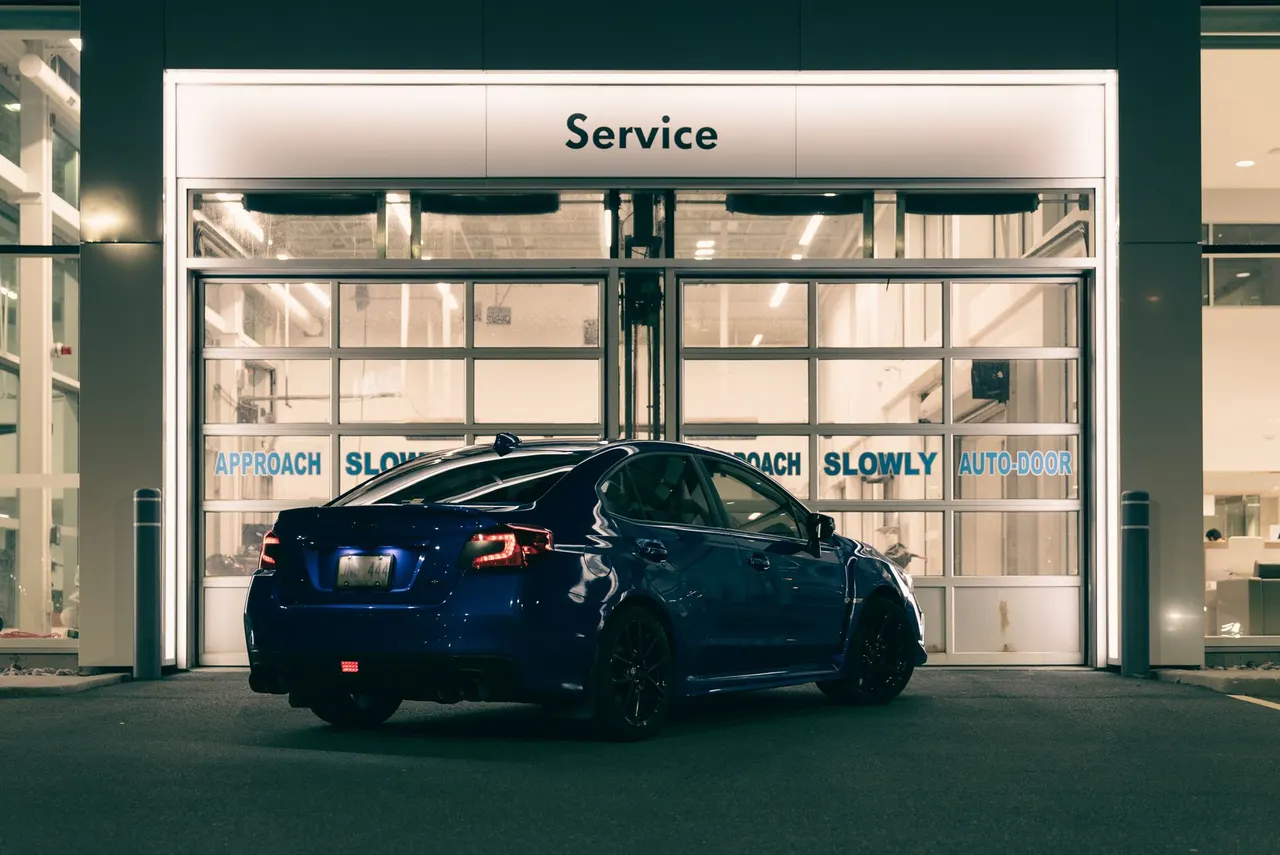
Our technicians work on garage door motors every day, across every major brand sold in Indiana. We hold IDEA Certified Installer credentials and follow ANSI/DASMA 102 and UL 325 Safety Standard requirements on every job. We have replaced motors on 1960s wood doors in Old Town Greenfield, on modern insulated steel doors in Meadowbrook, and on commercial roll-ups along the State Road 9 corridor. That range means we can size a motor correctly the first time instead of guessing at horsepower and hoping the door balances.
Our opener started grinding in the fall and finally quit on a Sunday night. They came out Monday morning, showed me the stripped gears, and had a new belt-drive LiftMaster running by lunch. The door is quieter than it has been in years, and they programmed both remotes and the keypad without charging extra.
I thought I needed a whole new opener, but the tech checked the springs first and found a broken torsion spring. He replaced the spring and the motor the same visit. Honest diagnosis, fair price, and he cleaned up every scrap of the old unit before leaving. I will use them again.
We manage several rentals around Greenfield and needed a motor replaced fast before a tenant moved in. They scheduled next-day, arrived on time, and had the door cycling smoothly in about three hours. The invoice matched the quote exactly, and the warranty paperwork was emailed the same day.
Most residential motor replacements in Greenfield run $320 to $650 installed, depending on horsepower, drive type, and whether battery backup is included. Belt-drive and smart-enabled units sit at the higher end. If we find a broken torsion spring or frayed cable during inspection, that repair is quoted separately before we proceed.
Grinding usually means stripped gears inside the motor or worn nylon rollers on the rail. A rhythmic bang points to a loose chain or a failing torsion spring. If the noise started after a cold snap, dried lubricant on the rail is often the cause. We diagnose the source on site rather than guessing.
Yes, in most cases. We stock common LiftMaster and Chamberlain motors on the truck and can complete a standard swap in two to four hours. Call before noon and we can often finish the same afternoon. Unusual brands or commercial units may need a next-day return with the correct part.
A typical residential replacement takes two to four hours from arrival to final test. That includes removing the old unit, mounting the new motor, wiring it, programming your remotes and keypad, and cycling the door at least three times. Commercial or high-cycle doors can take longer.
Not seeing your question? Our local team can help you understand urgency, scheduling and what to expect.
Ask the local team
If your door is off-track, dented, or stuck, we fix the door itself before or alongside a motor swap. Many Greenfield motor failures start with a door that is binding on the track, so we correct the root cause first.
View service
Replacing the whole door and opener together often costs less per year than patching an old system. We install Clopay, Amarr, and Wayne Dalton doors sized to your opening and pair them with a correctly matched motor.
View service
Sometimes the motor is fine and the logic board, capacitor, or travel limit is the problem. We repair openers when repair is the smarter call and only recommend a full motor replacement when the unit is truly done.
View service
New opener installs include rail assembly, header bracket mounting, safety sensor alignment, and remote programming. We set the down-force limit to your door so the motor is not working harder than it should.
View service
Call, text or send us a note and we will get back to you the same business day. Our phones are answered from 8 a.m. to 6 p.m. Monday through Friday, and emergency calls are picked up around the clock. Tell us what the door is doing and we will give you a straight answer and a price.