Focused arrival windows
Useful updates and clear arrival timing.
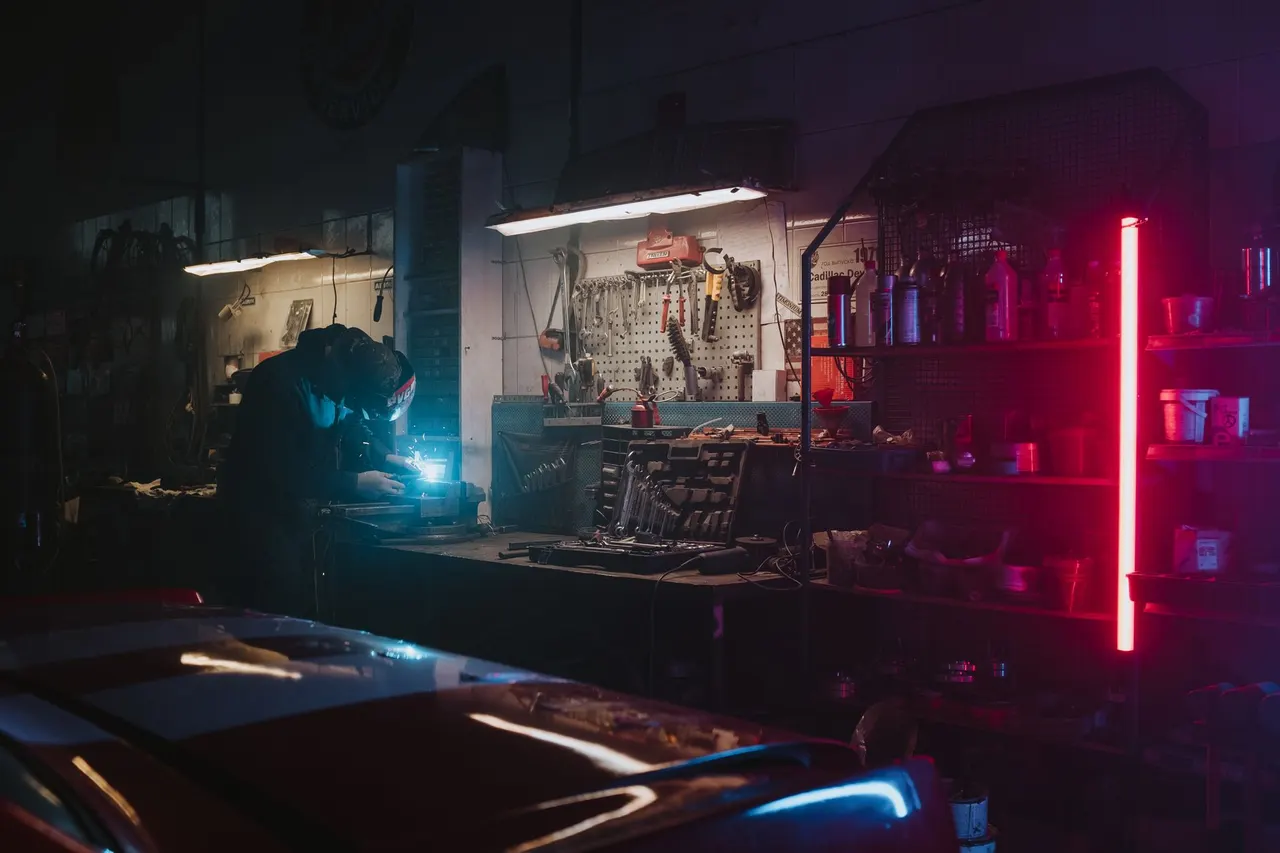
A Garage Door Safety Inspection Greenfield IN is the fastest way to confirm your door, springs, cables, and opener are working the way they should. We check every moving part, test the safety reverse, and tighten what has worked loose. If you have heard a bang, seen a frayed cable, or your door has started reversing for no reason, book a garage door safety check in Greenfield Indiana before something fails completely.
Useful updates and clear arrival timing.
Review the approach and price before deciding.
Equipped vehicles and respectful cleanup.
Neighbors serving neighbors with follow-through.
Every safety inspection covers the full door and opener system, not just a visual glance. We test what moves, measure what wears, and document what we find. If a repair is needed, we quote it on the spot and can often complete it the same visit.
We inspect springs, cables, drums, bottom brackets, hinges, rollers, track, panels, weather seal, and the opener. Each item gets a pass, caution, or fail rating with a photo.
We place a 2x4 under the closing door and confirm it reverses within 2 inches, then break the photo-eye beam to confirm the door stops. Both tests follow UL 325.
With the opener disconnected, we lift the door by hand to confirm it stays put at the halfway point. We also measure travel and listen for grinding in the opener.
We tighten hinges, brackets, and track bolts, then lubricate rollers, springs, and the opener rail with a proper lubricant spray. This alone quiets most noisy doors.
You get a written summary of every finding, a safety rating, and a prioritized repair list. Urgent items are separated from what can wait, so you can plan.
If something needs fixing, we quote it on the spot with itemized parts and labor. Most common repairs, like springs, cables, and sensors, can be done the same visit.
Share what is happening and receive a clear next step from the local team.
A Garage Door Safety Inspection Greenfield IN is a hands-on, 21-point evaluation of the entire door system: torsion springs, extension springs, steel cables, drums, bottom brackets, hinges, nylon rollers, and the opener's safety reverse. We cycle the door, measure spring tension, inspect the cable for fraying, test the photo-eye sensors, and check the balance so the opener is not lifting more weight than it should. You get a written report of what is safe, what is wearing, and what needs attention now.
Most Greenfield doors we inspect are 10 to 20 years old and have never had a professional look at the springs. A broken torsion spring can snap without warning, and a frayed cable can whip loose under load. If your door jerks, grinds, or the opener strains, that is your cue to schedule a garage door safety check Greenfield Indiana. We also serve Hancock County homeowners who want a second opinion before a repair quote.
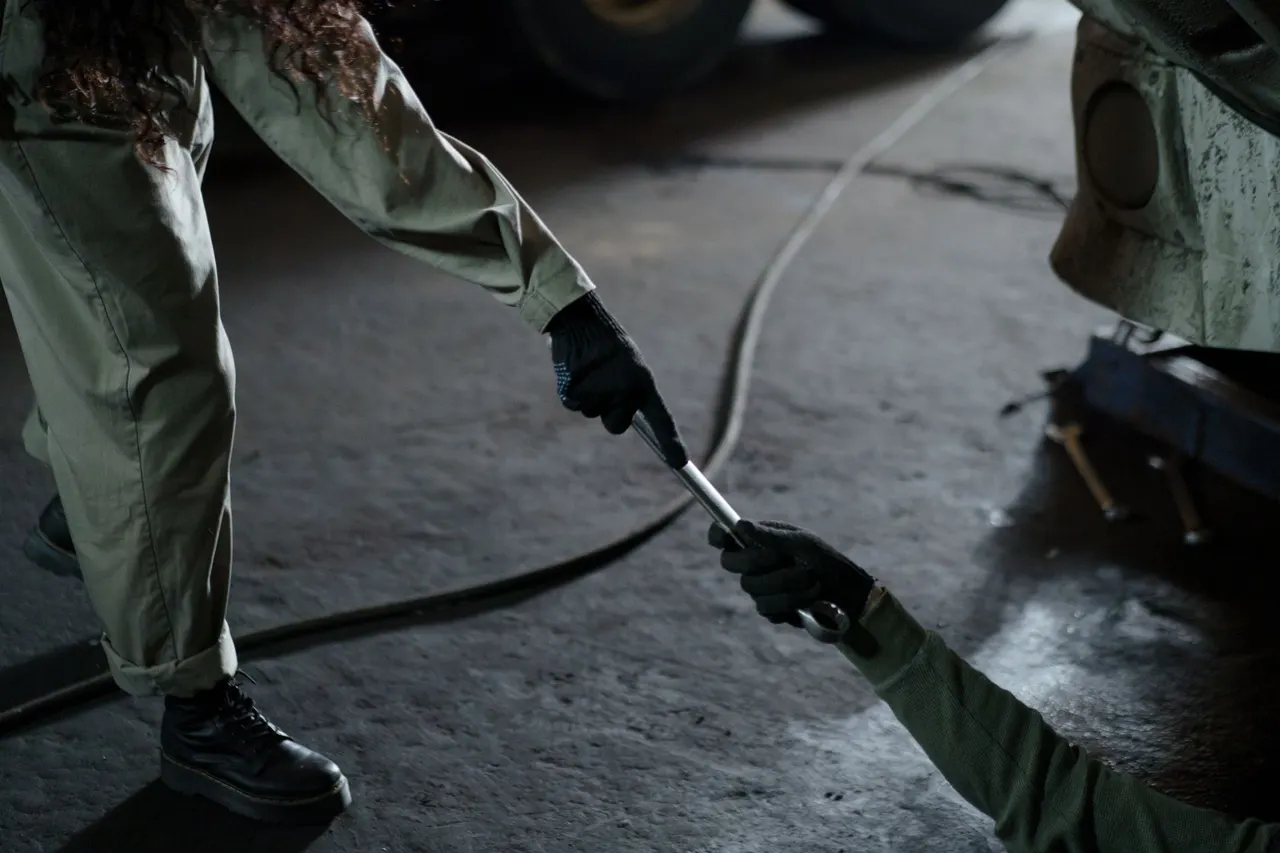
Call or book online and tell us what the door is doing. If you describe a bang, a grind, or a door that reverses, we prioritize it. We offer same-day garage door safety inspection Greenfield IN slots most weekdays and can usually be on site within a few hours.
We start with the door closed, then inspect springs, cables, drums, bottom brackets, hinges, and rollers. We check the track for alignment and the panels for cracks. Every finding gets noted with a photo so you can see exactly what we see.
We disconnect the opener and lift the door by hand to check balance. A properly balanced door stays put at the halfway point. If it drops or rises on its own, the springs need adjustment. We also measure the door's travel and listen for grinding in the opener.
We place a 2x4 under the closing door and confirm it reverses within 2 inches. Then we break the photo-eye beam to confirm the door stops. If either test fails, we adjust the opener's force and travel limits and re-test until both pass UL 325.
You get a written summary with photos, a safety rating, and a prioritized list of repairs. We separate what is urgent from what can wait. If a repair is needed, we quote it on the spot and can often complete it the same visit.
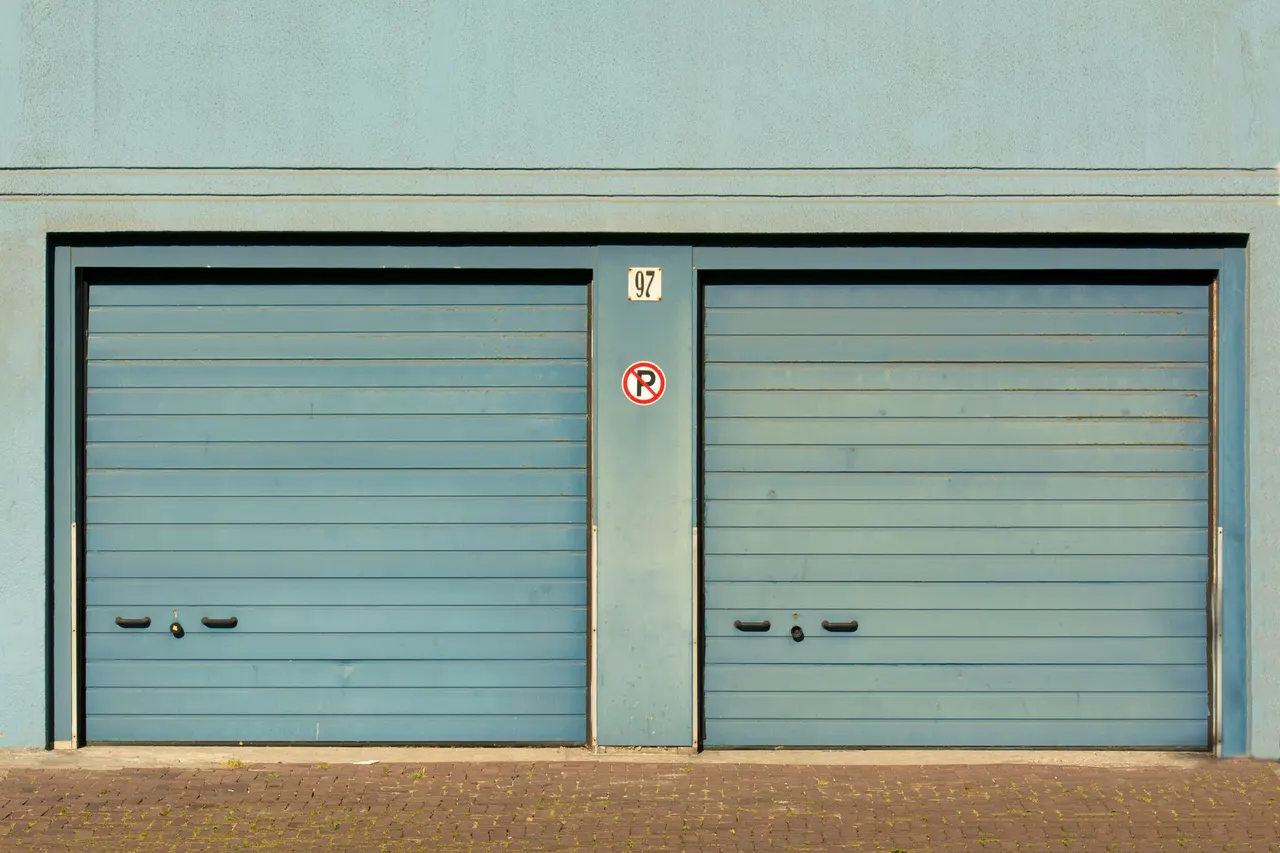
Used to safely release and set torsion spring tension. C-clamps hold the door in place while we work, which is the only safe way to handle springs.
For tightening hinges, brackets, and track bolts, and for holding cable drums while we re-spool a cable.
To check track alignment, door square, and the gap between the door and the floor. A door that is out of square will bind and wear rollers.
A proper garage door lubricant for rollers, hinges, springs, and the opener rail. We avoid grease, which attracts dirt and gums up in cold weather.
For removing and reinstalling hinges, brackets, and sensor mounts, and for adjusting opener travel limits.
For sealing around the door frame and weather stripping where water intrusion shows up during an inspection.
The standard that governs automatic garage door safety, including the safety reverse and photo-eye sensors. Every inspection and repair we make is tested against it before we leave.
The industry standard for garage door and opener safety. We use it to judge spring condition, cable wear, and hardware torque during every inspection.
Our own checklist covers the full door and opener system, from springs and cables to sensors and travel limits. Each item gets a pass, caution, or fail rating with a photo.
We disconnect the opener and lift the door by hand to confirm it stays put at the halfway point. A balanced door is the single best indicator that the springs are doing their job.
We inspect the full system, check the age of the springs and cables, and test the opener's safety reverse. You get a written report showing what is safe and what needs attention soon. You know exactly what you own and can budget for repairs instead of getting surprised by a failure.
That bang is usually a broken torsion spring. We confirm the failure, replace the spring with a matched pair, and re-balance the door. We also check the cables and drums while we are in there. The door lifts smoothly again, and the opener is no longer working against a broken spring.
We test the safety reverse with a 2x4 and break the photo-eye beam to confirm the door stops. If either fails, we adjust the opener's force and travel limits and re-test. You know the door will stop if something is in the way, which is the whole point of UL 325.
We measure spring cycles, inspect cables and drums, and check every hinge and roller. Older doors in Hancock County often need a spring or cable replacement, and we can do it the same visit. You catch the wear items before they fail, which is cheaper and safer than an emergency repair.
Greenfield sits in Hancock County, and our weather swings from humid summers to freezing winters. That cycle is hard on garage doors. Steel cables rust, springs lose tension, and weather stripping cracks. Most homes here have attached garages, so a failing door is also a security issue. We schedule garage door safety check Greenfield Indiana visits year-round, but spring and fall are the busiest because that is when temperature swings expose worn springs and cables. If you need an affordable garage door safety inspection in Greenfield Indiana, we keep pricing straightforward and credit the inspection fee toward any repair we make the same visit. We also serve the surrounding Hancock County area, including ZIP 46140 and nearby communities.
Older homes here often have original wood doors and extension springs. We check for rot, loose hinges, and spring stretch, which are common on doors this age.
Newer construction with insulated steel doors and belt-drive openers. We focus on sensor alignment and opener travel limits, which are the most common issues on newer installs.
Homes near the water see more humidity, which rusts cables and springs faster. We inspect cable condition closely and recommend lubricant on every visit.
A mix of attached and detached garages. Detached garages often have older openers, so we check the motor, gears, and safety reverse carefully.
Metal contracts and expands, which loosens hardware and can crack weather stripping. We tighten bolts and check seals on every winter inspection.
Humidity rusts steel cables and springs. A cable that looks fine in May can be frayed by September, so we inspect by hand, not just by eye.
Many Greenfield doors are 10 to 20 years old and still on original springs. We measure cycles and flag springs that are near the end of their life.
High winds can bend track and panels. After a storm, we check track alignment and panel condition before testing the opener.
A homeowner in Greenfield Heights heard a loud bang from the garage. The door would not open, and the opener was humming without moving the door. The torsion spring had snapped, and the cable on one side was frayed.
We replaced both torsion springs as a matched pair, installed a new steel cable, and re-balanced the door. The opener now lifts the door smoothly, and the safety reverse passed on the first test.
Maintenance: Keep the springs lubricated once a year and book an annual inspection. Matched springs last longer than replacing one at a time.
A family in Riverside could not close their door. The opener light blinked, and the door reversed immediately. The photo-eye sensors were misaligned after a minor bump, and the safety reverse was set too sensitive.
We realigned the sensors, checked the wiring, and adjusted the opener's force and travel limits. The door now closes fully and reverses correctly when we test it with a 2x4 block.
Maintenance: Keep the sensor lenses clean and avoid stacking items near the door track. A quick monthly test with a 2x4 confirms the reverse still works.
A homeowner in Old Town Greenfield said the door sounded like a train. The rollers were worn flat, the hinges were loose, and the track was slightly out of line. The opener was straining on every cycle.
We replaced all the nylon rollers, tightened the hinges, aligned the track, and lubricated the springs and opener rail. The door now runs quiet, and the opener draws noticeably less power.
Maintenance: Lubricate rollers and hinges twice a year and have the track alignment checked annually. Worn rollers are cheap to replace and save the opener.
Most garage door failures start small and give you weeks of warning. An inspection turns those warnings into a repair list before they become an emergency.
A snapped spring can drop the door or send hardware flying. A frayed cable can whip loose under load and injure anyone nearby. We measure spring tension and inspect every cable by hand. If a spring is near the end of its 10,000-cycle life or a cable is frayed, we replace it with OEM-spec parts and re-balance the door the same visit.
A door that will not close is a security risk, and a door that closes on a child or pet is far worse. Misaligned sensors are the most common cause of both. We realign the photo eyes, check the wiring, and test the safety reverse with a 2x4 block. If a sensor is dead, we replace it and re-test until the door passes UL 325.
A straining opener burns out its motor and gears, and worn rollers make the door hard to lift. Left alone, you are looking at a full opener replacement. We lubricate the rollers, hinges, and springs, tighten loose hardware, and balance the door so the opener pulls only its rated load. That quiets the door and adds years to the opener.
An off-track door can fall out of the track entirely. A dented panel can bind the track and stress the opener on every cycle. We straighten or replace track sections, re-seat the rollers, and replace damaged panels. Then we cycle the door and confirm it runs smooth and square before we leave.
Our technicians have inspected and repaired thousands of doors across Hancock County, from older wood doors in Old Town Greenfield to modern insulated steel doors in Greenfield Heights. We train on the current UL 325 Safety Standard and follow ANSI/DASMA 102 guidelines for every inspection. We carry IDEA Certified Installer credentials and work with every major brand, including LiftMaster, Chamberlain, Genie, Craftsman, Clopay, Amarr, and Wayne Dalton. When we say a door is safe, that judgment is backed by code and by hands-on experience with the exact hardware on your door.
Our door had started reversing halfway down and the opener was straining. The inspection found a frayed cable and a tired torsion spring. They replaced both the same visit and re-tested the safety reverse. The door is quieter than it has been in years, and the report showed me exactly what they checked.
I booked a garage door safety check before my kids started using the door on their own. They tested the photo eyes with a 2x4, adjusted the force limits, and tightened every hinge. Took about an hour. Worth every penny for the peace of knowing the door will stop if something is in the way.
The door was grinding and I figured the opener was dying. Turned out the rollers were worn and the track was slightly out of line. They replaced the rollers, aligned the track, and lubricated everything. The opener is fine. They could have sold me a new motor and did not.
Most inspections run $89 to $149 in 2026, and that fee is often credited toward any repair we make the same visit. The price depends on door type, opener brand, and whether you have one door or two. A single-car door with a chain-drive opener sits at the low end; a two-car door with a belt-drive LiftMaster and smart sensors sits at the high end.
We check 21 points: torsion and extension springs, steel cables, drums, bottom brackets, hinges, rollers, track alignment, panel condition, weather seal, and the opener's safety reverse and photo-eye sensors. We also test door balance with the opener disconnected. You get a written report with photos and a safety rating for each item.
Once a year is the standard, and spring is the best time to book it. If your door gets heavy use, or you have a home with kids and pets, twice a year is smart. Any door older than 10 years should be inspected annually because springs and cables are near the end of their service life.
Yes. We hold same-day slots for safety checks and can usually be on site within a few hours if you call before noon. If your door is stuck open, off-track, or making a loud bang, tell the dispatcher and we will prioritize it as an emergency visit.
Not seeing your question? Our local team can help you understand urgency, scheduling and what to expect.
Ask the local team
When an inspection turns up a broken spring, frayed cable, or bent track, we repair it on the spot. Our trucks carry the parts for most Greenfield doors, so you are not waiting days for a second visit.
View service
If your door is beyond safe repair, we install new Clopay, Amarr, or Wayne Dalton doors sized for your opening. Every install includes a safety inspection and a full balance and sensor test before we leave.
View serviceA grinding or straining opener often shows up during a safety check. We repair LiftMaster, Chamberlain, Genie, and Craftsman units, replacing gears, logic boards, and motors as needed.
View service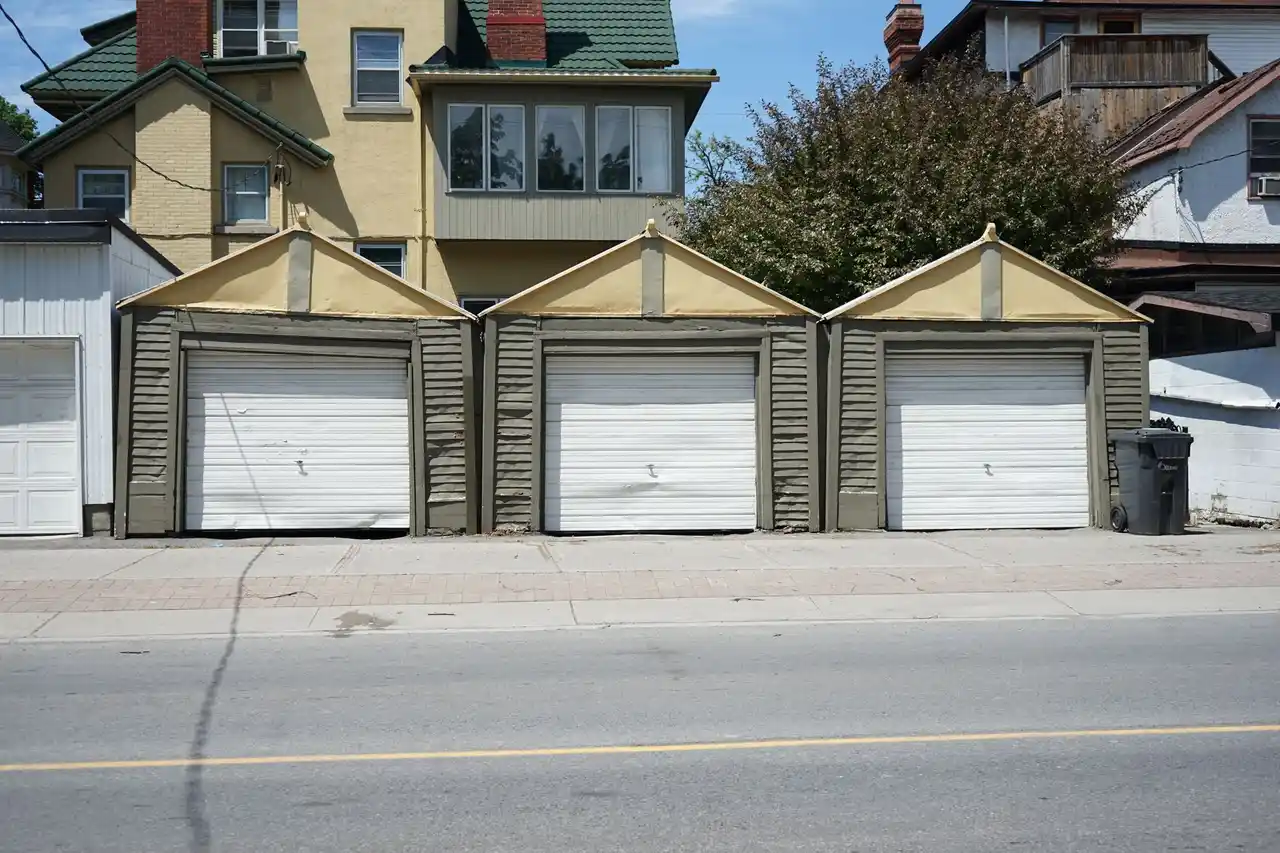
We install new belt-drive and chain-drive openers with battery backup and Wi-Fi. Every install includes photo-eye sensors, safety reverse setup, and a full UL 325 test.
View service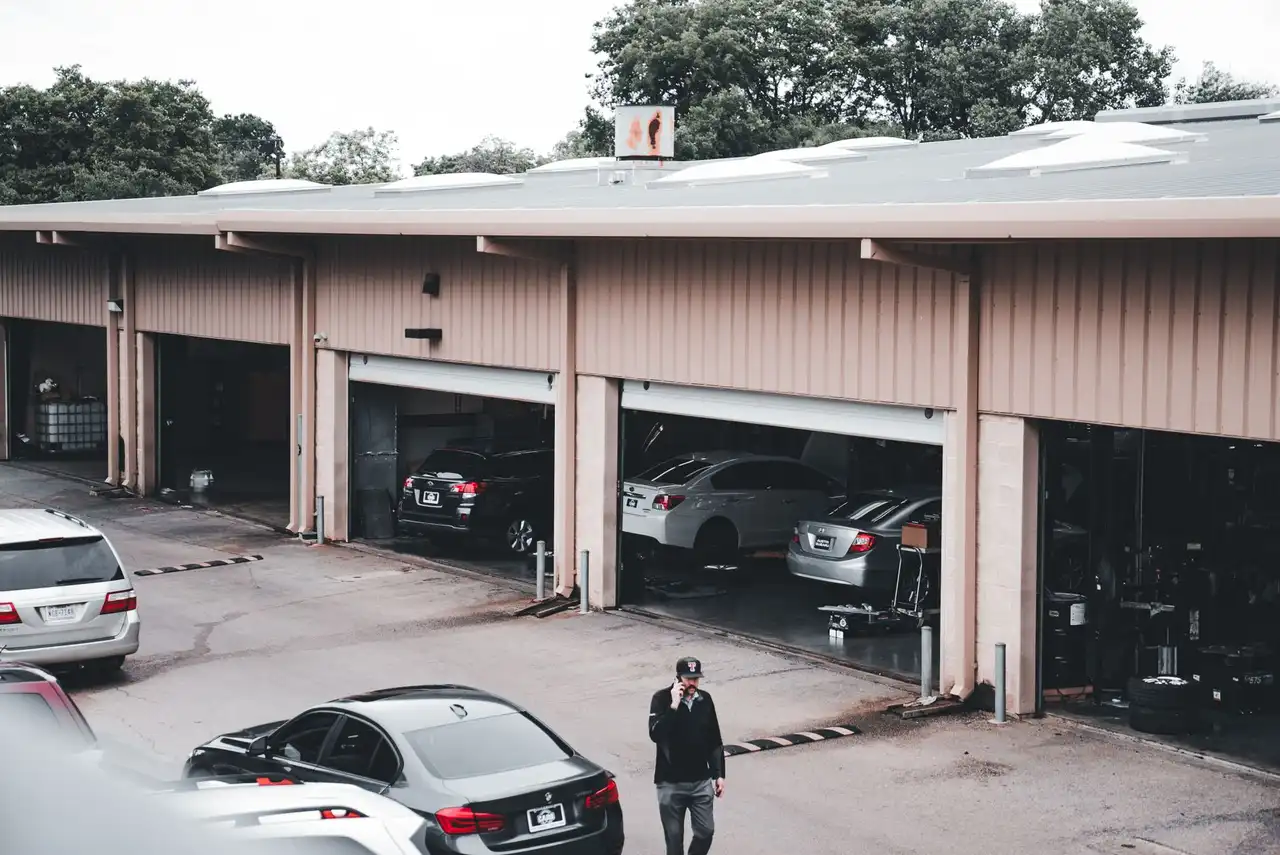
Call, text or send us a note and we will get back to you the same business day. Our phones are answered from 8 a.m. to 6 p.m. Monday through Friday, and emergency calls are picked up around the clock. Tell us what the door is doing and we will give you a straight answer and a price.